Vape Culture: Understanding the Growth of Vaping in Modern Society
Vape culture has emerged as a prominent phenomenon among young adults, driven by a desire for healthier alternatives and diverse flavor options. Social media amplifies this trend, depicting vaping as a widely embraced option. However, the health implications remain contentious, prompting serious questions regarding its safety. As vape retailers develop into neighborhood meeting points, the nature of this culture keeps evolving. What lies ahead for this growing movement?
Why Are So Many People Making the Switch to Vaping?
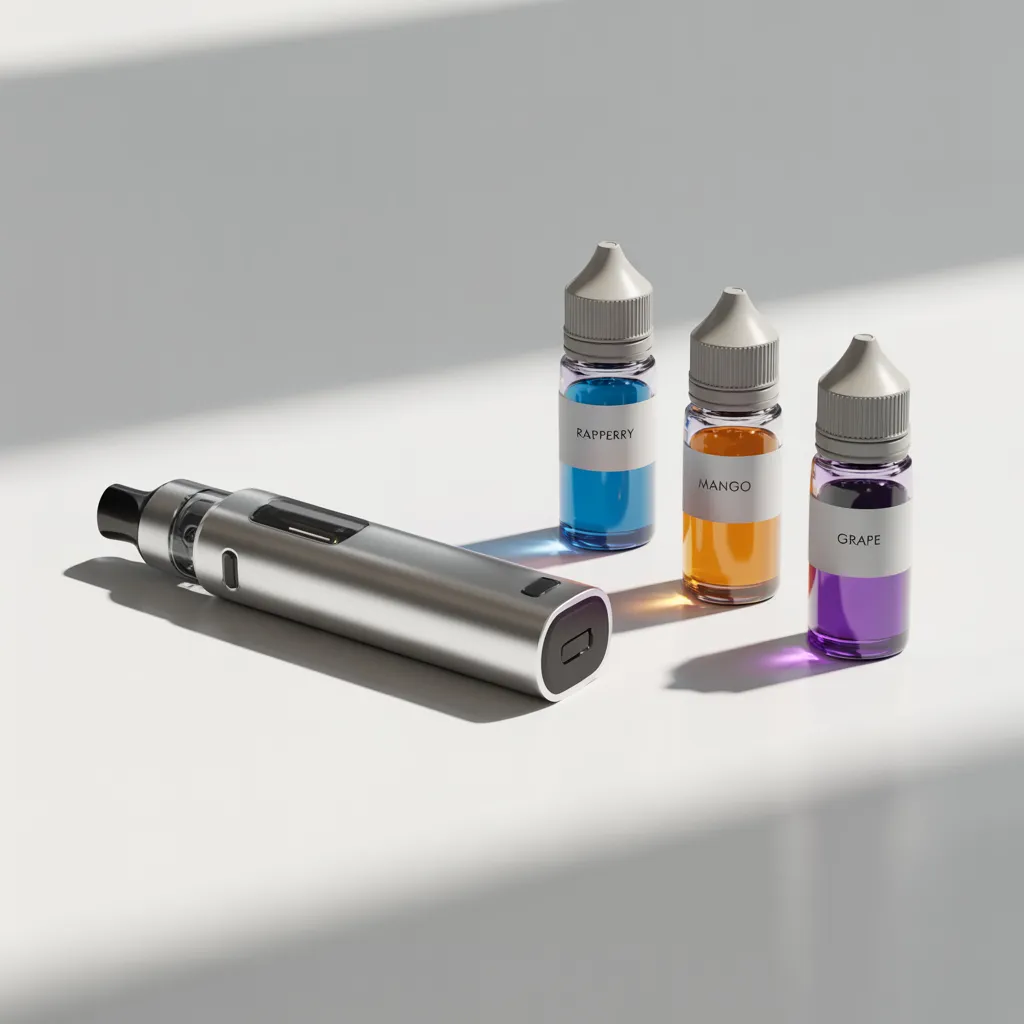
As the understanding of the health dangers linked to conventional smoking increases, a growing number of people are turning to vaping as an apparently less harmful substitute. This transition is fueled by several contributing elements, such as the attractiveness of diverse flavors and adjustable features that vaping products offer. Numerous users value the wide range of flavors, spanning from fruity to dessert-themed options, which make the experience far more pleasant than traditional tobacco. Moreover, vaping is commonly perceived as a more socially embraced habit, particularly within younger populations. The advanced technology incorporated into vaping devices further provides a measure of control over nicotine use, drawing in those who wish to decrease their consumption over time. Moreover, the perception that vaping is less intrusive and has fewer lingering odors than smoking contributes to its rising popularity. As a consequence, a broad spectrum of individuals, including both former smokers and those new to nicotine use, are steadily embracing vaping as their preferred choice.
Is Vaping Really Safe? The Health Debate?
When comparing the safety of vaping to traditional smoking, what do we find? This question has sparked considerable debate among health professionals and the public alike. Even though vaping is commonly presented as a less harmful substitute for smoking, the actual situation is considerably more complicated. Electronic cigarettes generally have fewer harmful compounds than conventional cigarettes, which may potentially lower certain health hazards. Nevertheless, vaping continues to deliver dangerous substances into the body, such as nicotine, which may result in dependency and possible heart-related complications.
Growing research has brought attention to concerns about the prolonged consequences of inhaling vaporized substances, particularly since many ingredients in e-liquids remain unstudied. Moreover, documented cases of lung injuries tied to vaping have surfaced, deepening the uncertainty about its overall safety. When all is considered, while vaping might carry fewer hazards than traditional smoking, it is not devoid of potential hazards, warranting careful consideration from users and policymakers alike.
Who Is Getting Into the Vaping Trend?
What types of people are attracted to vaping? A diverse range of individuals finds appeal in vaping, across different age groups and lifestyles. Young adults, particularly those in their late teens to early twenties, often seek alternatives to traditional smoking, considering vaping a contemporary lifestyle decision. A significant number are influenced by the belief that vaping poses fewer health risks and delivers a tailored experience through an array of flavors and nicotine options.
Additionally, previous smokers moving toward vaping constitute a considerable segment. It is frequently regarded as a way to cut back on nicotine while maintaining the pleasure of inhaling. Some individuals are also driven by curiosity, as the social elements of vaping entice those who wish to connect with like-minded individuals or try new things. Vaping's widespread availability, along with its sense of novelty, consistently brings a diverse array of people into the vaping sphere.
The Way Social Media Influences Vape Culture
In what way does social media impact the vaping community? Social media networks have grown increasingly central to the promotion and normalization of vaping among different groups. By sharing visually compelling content, influencers present vaping as a lifestyle decision, frequently highlighting its visual appeal and communal dimensions. Hashtags and challenges related to vaping create a sense of community, encouraging users to share their experiences and preferences. Furthermore, platforms such as Instagram and TikTok enable users to create and distribute tutorials, vaping tricks, and product evaluations, boosting the exposure of vaping products and brands.
This constant interaction fosters an environment where vaping is not just a routine but an outlet for personal identity. The pervasive influence of social media amplifies trends, leading to quick transformations in consumer preferences. Therefore, social media functions as a double-edged sword, both spreading knowledge about vaping and potentially glamorizing the habit, particularly among a younger generation.
How Vaping Affects Your Lifestyle Choices
Vaping has emerged as a major influence on modern lifestyle decisions, influencing everything from social interactions to personal identity. For numerous individuals, vaping functions as a social bridge, encouraging bonds in both informal and formal contexts. The practice of vaping frequently generates a collective experience for participants, strengthening community ties and setting standards for social events.
Furthermore, vaping has redefined personal identity for some individuals, distinguishing them from traditional smokers or non-smokers. The range of flavors, devices, and brands permits users to showcase their personal preferences, fostering a sense of self-expression.
Additionally, perceptions about health associated with vaping have prompted behavioral changes; many individuals consider it a better replacement for traditional smoking, while certain individuals weave it into fitness-oriented narratives. When all is considered, vaping affects preferences regarding social habits, self-identity, and overall health, highlighting its significant effect on modern lifestyles.
Vape Shops: Community Hubs for Enthusiasts
As vaping culture continues to evolve, vape shops have emerged as vital community hubs for dedicated vapers. These locations operate as gathering places where people can corresponding information connect over their shared interest in vaping. Rather than just offering products for sale, vape shops frequently organize events, such as tasting sessions and hands-on workshops, fostering a sense of belonging among patrons.
The well-informed staff regularly offer helpful guidance into the latest devices and e-liquids, improving the overall vaping journey. This individualized service strengthens trust and dedication within the community. Furthermore, vape shops frequently establish inviting atmospheres, encouraging social interactions among customers, which may develop into lasting friendships and support systems.
With vaping steadily increasing in popularity, these shops play an important role in shaping a culture centered around exploration and education. By emphasizing community participation, vape shops not only contribute to individual experiences but also assist in creating a thriving, interconnected vaping community.
Emerging Trends in Vape Culture
In what ways will vape culture transform as technology and social perspectives change? As advancements in vaping technology continue, innovations including smart devices and tailored options will likely draw in a larger consumer base. Enhanced user interfaces and app integrations may facilitate personalized experiences, allowing consumers to track usage and flavor preferences. Moreover, the rising priority placed on health and wellness could transform attitudes, fostering broader acceptance of vaping as a less detrimental option compared to traditional smoking.
Regulatory changes will also play a critical role as legislators adopt more rigorous standards, manufacturers may focus on transparency and quality, fostering a more responsible industry. Community outlooks may progressively transform, with vaping gaining wider acceptance in popular culture, similar to craft beer or specialty coffee. At its core, the path forward for vape culture will be marked by a fusion of innovative technology, policy supervision, and changing community attitudes, forging a unique presence in modern culture.
Questions We Often Receive
What Are the Most Popular Flavors Among Vapers Today?
Fruity flavors, notably berry, mango, and watermelon, lead the vaping market at present. Indulgent dessert flavors, like vanilla custard and chocolate, also remain highly popular, appealing to those seeking sweet and indulgent experiences in their vaping choices.
How Much Does Vaping Typically Cost Monthly?
The monthly cost of vaping usually range from $30 to $100, based on device type, usage habits, and e-liquid preferences. Regular users may find expenses vary considerably based on their own preferences and vaping frequency.
Are There Age Restrictions for Purchasing Vape Products?
Yes, there are age restrictions for buying vape products. Across many areas, individuals must be at least 18 or 21 years old, depending on local laws, to lawfully purchase vaping devices and related products.
Does Vaping Help Smokers Quit Cigarettes Entirely?
Vaping can help certain people stop smoking altogether by offering a safer substitute. That said, its effectiveness varies among users, and reliance on vaping can lead to continued nicotine dependence for others.
What Are Widespread Misconceptions About Vaping?
Widespread misunderstandings about vaping involve the assumptions that it poses no health risks, that it lacks any harmful ingredients, and that it serves only as a stepping stone to smoking. These false beliefs can influence perceptions and behaviors surrounding vaping.